 EN
EN


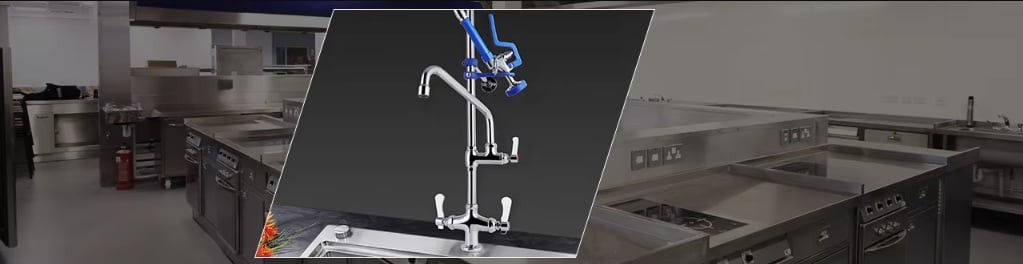
What is a kitchen faucet sprayer and how does it simplify cleaning tasks?
Let's be honest. If you have a modern kitchen, there is a very good chance that the faucet you use every single day has a feature you might be taking for granted. You probably use it to blast dried oatmeal off a bowl or to rinse soap suds from a pan. But if someone asked you to stop and actually explain what that tool is and why it is designed the way it is, you might pause for a second. That tool is the kitchen faucet sprayer. In simple terms, a kitchen faucet sprayer is a component of your sink fixture that provides a focused, high velocity stream of water separate from the standard aerated flow of the main spout. It is the heavy lifter in your kitchen cleanup routine. While the regular faucet stream is perfect for filling pots and getting a gentle rinse, the sprayer is there to do the dirty work, dislodging stubborn food particles and sweeping debris off plates and into the drain.
The beauty of this tool is that it is not just one thing. Over the years, the design has evolved to fit different kitchen layouts and user preferences, but the core job remains the same: to make water work harder for you. In most contemporary kitchens, the sprayer is fully integrated into the faucet itself. You might have a pull down model where the head of the faucet detaches and extends downward on a hose, or a pull out style where the head pulls forward horizontally from the base of the spout. These integrated designs keep the countertop clean and uncluttered, offering a sleek, modern aesthetic. In other kitchens, particularly older setups or those with a more traditional farmhouse vibe, you might spot a separate side sprayer mounted on the deck next to the main faucet. This little unit sits off to the side, connected by its own dedicated hose and operated independently from the main water flow. Regardless of the specific configuration, the underlying principle is always the same: concentrated water pressure aimed exactly where you need it. It transforms the passive act of letting water run into an active, targeted cleaning process. Once you start seeing the sprayer as more than just a nozzle, you begin to understand how much easier it makes the constant, never ending cycle of kitchen messes.
The Many Ways a Sprayer Makes Cleaning Less of a Chore
The real genius of a kitchen sprayer is not in its complex engineering or its sleek chrome finish. It is in how it quietly simplifies the small, repetitive tasks that make up the bulk of kitchen work. Think about the last time you scraped a casserole dish clean. Without a sprayer, you are stuck filling the dish with hot water and soap, letting it soak, and then still scrubbing away at the baked on edges with a sponge. With a sprayer, especially a high pressure model, you can knock that residue loose in seconds. The concentrated stream digs into the gunk and lifts it away, often eliminating the need for pre soaking altogether. This is where the time savings really add up. Manufacturers have designed these units to be incredibly efficient, with some commercial grade sprayers providing strong impact that reduces scrubbing time significantly while using less water overall.
But the utility of the sprayer goes far beyond just cleaning dirty plates. It is an indispensable tool for food preparation. If you have ever tried to wash a head of lettuce or a bunch of kale under a standard faucet stream, you know the water just kind of rolls off the surface, leaving dirt and grit trapped in the crevices. The spray mode, with its broader, softer pattern, is perfect for this. It envelops the produce in a gentle shower that dislodges dirt without bruising or tearing delicate leaves. Similarly, when you are cleaning the sink itself, the sprayer is your best friend. After you have done the dishes, a quick thirty second sweep with the sprayer pushes all the little bits of food and soap scum down the drain, leaving the basin looking fresh and clean without you having to bend over and scrub. For those who do a lot of cooking, the pull down or pull out functionality is a back saver. Filling a large stockpot on the counter becomes effortless. You just pull the sprayer over to the pot, fill it up, and slide it back into place. No more awkwardly tipping a heavy, water filled pot from the sink to the stove. It is this combination of power, precision, and flexibility that turns a simple sprayer into the MVP of the kitchen sink area. It handles the gritty work so you can move on to the more enjoyable parts of cooking and entertaining.
Understanding the Different Types and What They Do Best
While all kitchen sprayers share a common mission, they do not all go about it in the exact same way. Knowing the difference between the main types can help you understand why the one you have works the way it does and how to get the most out of it. The pull down sprayer is the undisputed king of modern kitchens. It features a spray head that sits snugly in the faucet spout and pulls straight down into the sink when you need it. This design is fantastic for deep sinks and for anyone who regularly washes large pots and pans. The high arc of the faucet provides plenty of clearance, and the downward pulling motion feels natural and ergonomic. The hose on a pull down model typically retracts smoothly back into the spout after use, often aided by a weighted system or a magnetic dock. This makes it incredibly convenient and keeps the whole setup looking tidy.
Then there is the pull out sprayer. These models are often a bit more compact and feature a spray head that pulls out horizontally from the faucet base. They are an excellent choice for kitchens with shallow sinks or limited overhead cabinet space, as the overall profile of the faucet tends to be lower. The side to side mobility of a pull out hose can also be a real advantage for double basin sinks, allowing you to reach both sides with ease. Many users find the pull out motion very intuitive, and these faucets are known for their durability and straightforward operation. Finally, the classic side sprayer holds its own as a practical and often more budget friendly option. Installed in a separate hole on the sink deck, it operates independently with its own hose and trigger. This separation can be a plus in busy kitchens where one person might be using the main faucet while another uses the sprayer. It is also a popular choice for traditional or farmhouse style kitchens where a more classic, less integrated look is desired. Each type has its strengths, and the best one for any given kitchen really comes down to the sink setup, the available space, and how you personally prefer to work.
Keeping Your Sprayer Happy So It Keeps You Happy
Like any hardworking tool, a kitchen sprayer will eventually show signs of wear if it is not given a little bit of care. The good news is that the most common problems are almost always easy to fix with simple household items and a few minutes of your time. The single biggest culprit behind a weak or uneven spray is mineral buildup. Hard water leaves behind calcium and lime deposits that slowly clog the tiny nozzles on the spray head. Over time, what was once a powerful blast becomes a sad, spluttering dribble. The solution is simple and cheap: white vinegar. You can fill a small plastic bag with a mixture of half white vinegar and half warm water, secure it around the spray head with a rubber band so the nozzles are submerged, and let it soak for at least thirty minutes. The acetic acid in the vinegar will dissolve the mineral deposits. After soaking, give the nozzles a gentle scrub with an old toothbrush to loosen any remaining debris, and then run the water to flush everything out. Doing this once a month, especially if you live in an area with hard water, will keep your sprayer performing like new.
Another common issue is a sprayer that does not want to retract properly. If your pull down or pull out sprayer is left dangling from the spout, the problem is usually with the hose under the sink, not the spray head itself. The hose has a weight attached to it that helps pull it back into place. If that weight is positioned incorrectly, or if the hose is tangled around cleaning supplies, plumbing pipes, or the garbage disposal, it will not be able to do its job. A quick check under the sink to ensure the hose has a clear, unobstructed path and that the weight is positioned correctly will almost always fix this issue instantly. Regular maintenance also includes a quick visual check for any drips or leaks at the connections. Catching a small drip early and tightening a connection is far easier than dealing with a major leak and water damage later. Finally, be mindful of the spray head's finish. A simple wipe down with a soft cloth after you are done with the dishes prevents water spots and keeps the fixture looking clean and shiny. The sprayer is one of the hardest working components in your kitchen, but with just a few simple habits, you can ensure it stays reliable and powerful for years to come.