 EN
EN


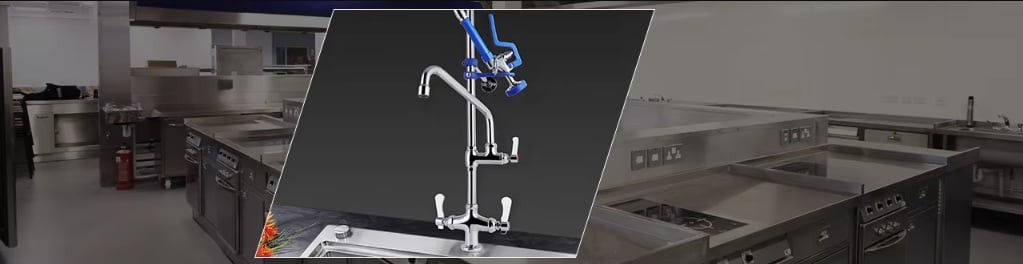
Tendências em Torneiras para Cozinhas Comerciais em Restaurantes Modernos
Tendências em Torneiras para Cozinhas Comerciais em Restaurantes Modernos
Sejamos honestos. Quando as pessoas sonham em abrir um restaurante, imaginam o chiado da chapa, a arte no prato e o burburinho de uma sala animada. A torneira humilde da cozinha? Raramente tem um papel de destaque nessa visão. Mas entre em qualquer cozinha moderna de um restaurante de sucesso e verá que a torneira já não é apenas uma simples fonte de água. Ela evoluiu para se tornar uma peça essencial de engenharia que impacta diretamente a higiene, a eficiência, o bem-estar da equipe e até o resultado financeiro. As tendências que moldam as torneiras para cozinhas comerciais hoje são uma resposta direta às exigências de um setor de alimentação mais rápido, inteligente e consciente. Não se trata mais apenas de obter água; trata-se de como entregá-la de forma inteligente, limpa e eficiente.
A Ascensão Inteligente das Torneiras com Ativação por Sensor
Acabaram-se os tempos em que cada ativação de água exigia uma mão coberta de graxa e farinha para virar uma alavanca. A tendência mais significativa que está tomando conta das cozinhas modernas é a adoção de torneiras com sensores, sem necessidade de contato manual. Imagine um auxiliar de cozinha passando de manipular frango cru para lavar legumes sem jamais tocar na alavanca da torneira. Isso é um divisor de águas para a segurança alimentar. Ao eliminar um dos principais pontos de contaminação cruzada, as torneiras com sensores mantêm os mais altos padrões de higiene. Elas também são excelentes economizadoras de água. A água flui apenas quando necessária e se desliga automaticamente, evitando desperdícios em momentos movimentados, quando a equipe pode acidentalmente deixar uma torneira manual aberta. Embora o investimento inicial seja maior, os benefícios a longo prazo em contas de água reduzidas e protocolos de sanitização aprimorados tornam a tecnologia com sensores uma tendência atraente para estabelecimentos inovadores.
Construído para Durar: Foco em Materiais Avançados e Durabilidade
Uma cozinha comercial é um campo de batalha de uso constante, altas temperaturas e produtos químicos de limpeza. Uma torneira que não suporte esse desgaste resultará em reparos constantes, vazamentos e tempo de inatividade. A tendência está claramente avançando para materiais premium que prometem longevidade. Estamos falando de corpos robustos em aço inoxidável resistente que evitam corrosão e amassados. Internamente, cartuchos com disco cerâmico tornaram-se o padrão da indústria por sua operação suave e capacidade de suportar centenas de milhares de ciclos sem vazar. Além disso, mangueiras reforçadas com alta resistência à pressão de ruptura e designs resistentes a vandalismo nos componentes sensoriais estão se tornando comuns. Esse foco na durabilidade não se refere apenas à própria torneira; trata-se de garantir que todo o fluxo de trabalho da cozinha permaneça ininterrupto. Uma torneira confiável é uma preocupação a menos para um gerente de cozinha durante um serviço agitado de jantar.
Integração de Funcionalidades em Soluções Tudo em Um
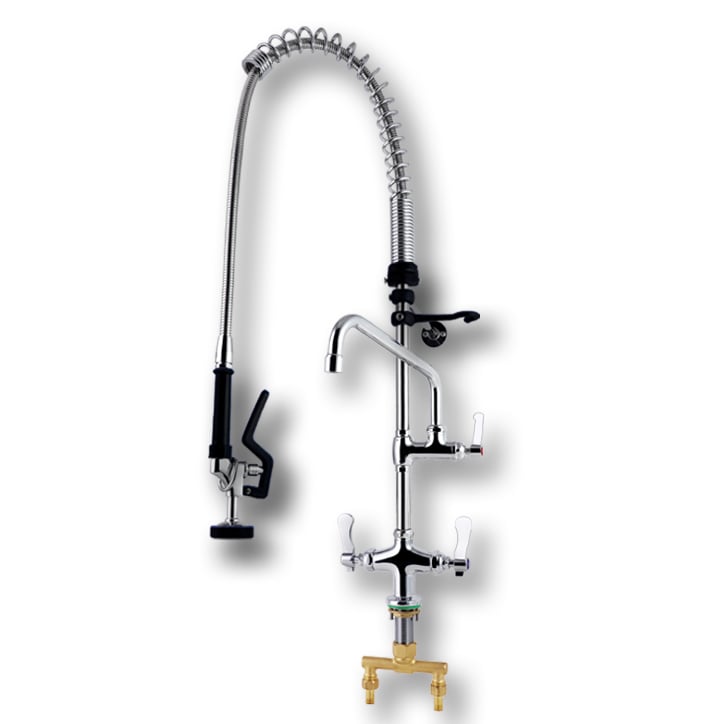
Por que ter três acessórios separados quando um único pode fazer o trabalho? O design moderno de torneiras enfatiza fortemente a integração multifuncional. O exemplo mais comum é o pulverizador pré-lavagem integrado, no qual um bico de pulverização de alta pressão retrátil é incorporado diretamente ao bocal principal da torneira. Isso elimina a necessidade de um pulverizador lateral separado, liberando espaço valioso na bancada da pia e agilizando o processo de limpeza de panelas e frigideiras. Além dos pulverizadores, a integração se estende a dispensadores de sabão ou sanitizante embutidos, permitindo que a equipe ensaboe e enxágue sem precisar se mover. Alguns modelos avançados oferecem até mesmo filtragem de água integrada para estações específicas de preparo. Essa tendência de consolidação cria uma área de pia mais limpa e organizada, reduz a complexidade da instalação e capacita a equipe a realizar tarefas com maior eficiência em um único ponto.
A Ergonomia Assume o Centro do Palco: Design para o Conforto da Equipe
Trabalhar na cozinha é fisicamente exigente, e lesões por esforço repetitivo são uma preocupação real. As tendências modernas de torneiras abordam ativamente o bem-estar dos funcionários por meio de uma ergonomia cuidadosa. Os designers estão criando torneiras com arcos mais altos e bicos com alcance maior, facilitando o enchimento de panelões colocados na pia sem movimentos incômodos de levantamento. As alavancas estão sendo projetadas para um bom grip, mesmo com as mãos molhadas ou com luvas, exigindo esforço mínimo para funcionar. O peso e o equilíbrio das cabeças de spray retráteis também são otimizados para reduzir a fadiga no punho durante o uso prolongado. Ao tornar a interação com a torneira mais fácil e menos cansativa, os restaurantes podem ajudar a reduzir a fadiga no ambiente de trabalho, melhorar a moral da equipe e manter um ritmo mais suave e rápido durante turnos longos. Uma equipe confortável é uma equipe mais produtiva e estável.
A Estética Importa: Combinando com o Design Moderno da Cozinha
Embora a função seja primordial, a forma é cada vez mais importante. O aspecto estéril e puramente utilitário das antigas cozinhas comerciais está desaparecendo. As cozinhas atuais, especialmente aquelas em restaurantes com conceito aberto, são projetadas tendo em mente o apelo visual. Os fabricantes de torneiras estão respondendo com designs elegantes e profissionais que complementam a estética contemporânea da cozinha. Pense em linhas limpas, acabamentos em aço inoxidável escovado ou polido que combinam com outros equipamentos e silhuetas minimalistas. Essa tendência reconhece que o ambiente da cozinha influencia o orgulho da equipe e pode até ser uma ferramenta de marketing sutil para os clientes que vislumbram o local. Uma torneira bem projetada e com boa aparência contribui para uma impressão geral de profissionalismo, limpeza e atenção aos detalhes.
Eficiência Hídrica como Padrão, Não como Opção
A sustentabilidade já não é uma preocupação restrita a um nicho; é um princípio operacional fundamental. A conservação da água é um dos principais impulsionadores da tecnologia de torneiras. Além da ativação por sensores, as torneiras comerciais modernas são projetadas para baixo fluxo sem comprometer o desempenho. Aeratoradores avançados misturam ar com água para criar um jato potente e eficaz que consome significativamente menos água por minuto do que modelos mais antigos. A tecnologia de fluxo laminar proporciona um fluxo contínuo e sem respingos, ideal para encher recipientes rapidamente enquanto economiza água. Para restaurantes, essa tendência se traduz diretamente em menores custos com serviços públicos e uma pegada ambiental reduzida. É uma forma concreta de uma empresa demonstrar seu compromisso com o uso responsável dos recursos, um valor que ressoa tanto com funcionários quanto com clientes.
Facilidade de Manutenção e Serviço
Em um ambiente comercial, tempo é dinheiro. Uma torneira que exige um reparo complexo, com duração de horas, representa uma grande interrupção. As últimas tendências priorizam a manutenção fácil e a assistência rápida. Características como cartuchos antivazamento de substituição simples, pontos de serviço acessíveis sem necessidade de desmontar toda a torneira e peças padronizadas são fundamentais. Alguns fabricantes projetam suas torneiras com componentes que não requerem ferramentas, permitindo uma assistência rápida no local. Essa tendência minimiza o tempo de inatividade, permitindo que uma cozinha retome rapidamente sua operação total após um problema técnico. Também oferece tranquilidade aos gestores das instalações, sabendo que manutenções rotineiras ou reparos inesperados podem ser realizados com o mínimo de transtorno e custo.
Os Fixadores do Futuro: Conectados e Orientados por Dados
Olhando para o futuro, a tendência aponta para conectividade e dados. Imagine uma torneira capaz de monitorar seu próprio consumo de água, enviando alertas para possíveis vazamentos ou padrões de fluxo anormais que indiquem um problema. Considere temporizadores integrados que ajudam a equipe a respeitar as durações adequadas para a higienização das mãos. Embora ainda não seja algo comum, o conceito de torneiras inteligentes e conectadas que contribuem para a análise operacional está no horizonte. Esses dados poderiam ajudar os gestores a otimizar o consumo de água, programar manutenções preventivas e aprimorar ainda mais os protocolos de segurança alimentar. A torneira do futuro poderá muito bem ser um nó em um ecossistema de cozinha inteligente e interconectado.
Em conclusão, as tendências em torneiras para cozinhas comerciais refletem uma evolução mais ampla no próprio setor de restaurantes. Elas estão passando de ferramentas passivas para parceiras ativas na criação de um ambiente de trabalho mais seguro, eficiente, sustentável e amigável às pessoas. Desde o acionamento sem toque e estruturas resistentes até designs ergonômicos e tecnologias de economia de água, cada tendência aborda um desafio específico enfrentado pelos restaurantes modernos. Investir em um sistema de torneiras moderno é investir em operações mais fluidas, custos operacionais reduzidos e uma base mais sólida para o serviço diário. Da próxima vez que avaliar os equipamentos da sua cozinha, lembre-se de que a torneira é muito mais do que uma válvula. É um indicador claro de como uma cozinha valoriza a eficiência, a higiene e seu ativo mais importante: as pessoas que nela trabalham.