 EN
EN



Key considerations when upgrading commercial kitchen faucets.
Upgrading the faucets in your commercial kitchen is a strategic step toward greater efficiency. Perhaps some units are leaking, underperforming, or simply look worn out and need replacement. However, not all faucets are created equal. Choosing the most attractive option without careful consideration can lead to significant issues later. Several important factors must be evaluated to enhance your kitchen's operational efficiency, safety, and cost-effectiveness.
Assess Your Current Pain Points
Before exploring new models, take a moment to identify the core issues. Is it just one leaky faucet, or are there broader problems? Are staff members complaining about insufficient water pressure when filling pots? Is excessive time spent cleaning clogged spray heads? Have water bills been rising unexpectedly? Did a health inspector note that your current fixtures are difficult to clean? Each of these points signals an opportunity for improvement. Clearly defining your pain points will guide your upgrade process and ensure the new installation directly addresses your operational needs.
Material and Durability are Non-Negotiable
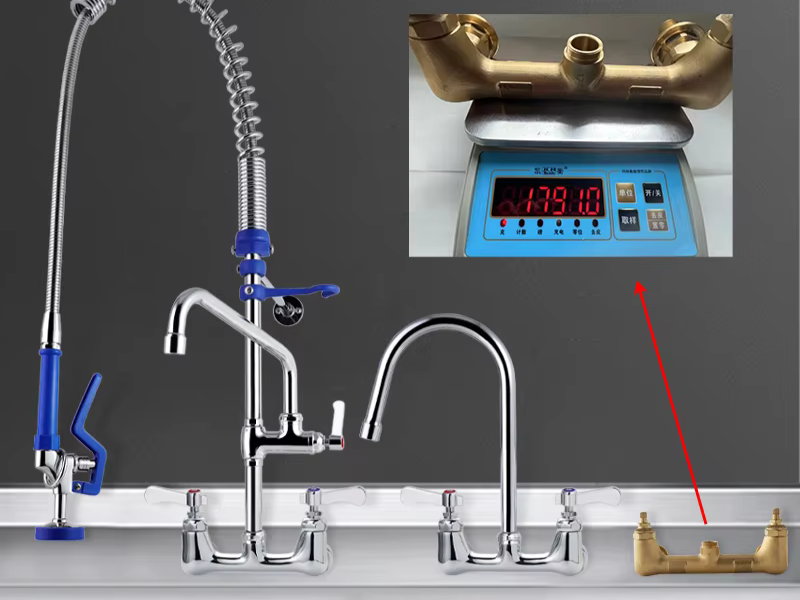
First, consider construction. A commercial kitchen endures extreme heat, constant water exposure, and harsh cleaning chemicals—it’s a demanding environment. A residential-grade faucet will fail quickly under these conditions. Prioritize professional-grade materials. The highest standard for commercial kitchen faucets is lead-free stainless steel, typically type 304 or 316. This material resists corrosion, withstands aggressive cleaning, and tolerates extreme temperatures without deteriorating. The finish should be robust and easy to maintain. When reviewing options, note the weight and quality of the finish; a well-made commercial faucet feels substantial. Specialized manufacturers often employ advanced casting and finishing techniques, ensuring products are built to last a decade or more of rigorous service, not just a few years.
Choosing the Right Operation Type for the Task
Functionality is paramount here. Different kitchen stations have unique requirements. Matching the operation type to the specific task is essential for workflow and hygiene.
-
Pre-Rinse Faucets: These are specialized tools for pot sinks and prep stations. An effective pre-rinse faucet combines industrial build quality with versatile rinsing options, including a powerful spray to remove food debris from plates and a gentler spray for delicate items. Look for models with an ergonomic grip and a highly durable, kink-resistant metal hose. For operations seeking a premium balance of strength and precision, a commercial pre-rinse faucet designed for heavy-duty use is an excellent choice.
-
Hands-Free Faucets: Sensor-operated or foot-pedal models are ideal for areas where hygiene is critical, such as handwashing stations, pastry sections, or raw food prep zones. They are designed to eliminate cross-contamination by removing the need to touch the faucet with soiled hands, operating only when activated.
-
Manual Faucets: For general-purpose sinks, a reliable single-lever or two-handle manual faucet serves as a dependable workhorse. When upgrading, select models featuring smooth ceramic disc cartridges that ensure easy operation and long service life without drips.
Prioritize Water Efficiency and Flow Performance
Upgrading presents a prime opportunity to improve water conservation and reduce costs. Modern commercial kitchen faucets are engineered for high efficiency without sacrificing performance. Pay close attention to flow rates, measured in gallons per minute (GPM). Many jurisdictions enforce regulations on flow rates, particularly for pre-rinse spray valves (often capped at 1.6 GPM). The objective is to find a faucet that complies with these standards while delivering the pressure and volume your team needs to work effectively. Do not assume a lower flow rate means weaker performance; advanced engineering can create a highly effective spray pattern that uses less water, directly lowering utility expenses.
Evaluate Functional Features and Ergonomics
Small details significantly impact daily use. Consider these features during selection:
-
Spout Height and Reach: Ensure the new spout has sufficient height and forward extension to clear your largest stockpots and accommodate your specific sink setup.
-
Swivel Range: A faucet with a full or wide swivel range offers flexibility, allowing one fixture to serve multiple sink compartments.
-
Ease of Cleaning: To meet health codes and simplify cleaning, choose faucets with smooth surfaces and minimal crevices where debris can accumulate.
-
Swing Joint and Hose Quality: For pre-rinse models, the hose and swing joint (the pivot point) are high-wear components. Seek out reinforced hoses and heavy-duty, sealed swing joints rated for millions of cycles.
Plan for Installation and Future Service
An upgrade can encounter obstacles if installation is not planned properly. Verify that the new faucet's deck hole configuration matches your existing sink. Also, consider the under-sink space—some electronic or specialty faucets may require more room, as well as access to power and specific water connections. Most importantly, think long-term. Invest in a faucet from a brand known for readily available replacement parts, such as cartridges, hoses, and spray heads. A strong warranty reflects manufacturer confidence. Choosing a supplier with a solid international distribution network helps ensure access to support and parts globally, protecting your investment regardless of your location.
Choose a Partner, Not Just a Product
Finally, carefully consider the brand you are purchasing from. The supplier is as crucial as the product itself. Look for companies that specialize in foodservice fixtures rather than general suppliers. Verify relevant safety and performance certifications, such as NSF/ANSI standards. A true manufacturer with a history of research, development, and innovation is more likely to offer reliable, purpose-built solutions. Manufacturers that maintain a loyal, worldwide customer base across regions like the Americas, Europe, and Australia typically achieve this through consistent product quality, professional design, and a commitment to fostering lasting partnerships.
Upgrading your commercial kitchen faucets is a strategic decision. By focusing on your specific needs, insisting on durable materials, selecting the appropriate operation type, demanding efficient performance, and partnering with a reputable specialist, you can transform a basic utility into a tool that enhances productivity, safety, and sustainability in your kitchen for the long term.