 EN
EN


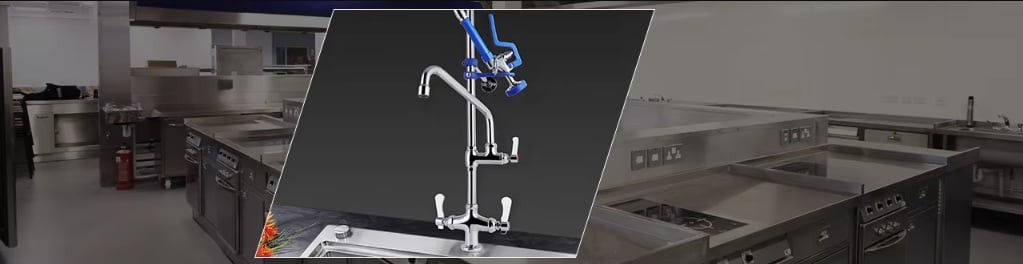
Installing a commercial kitchen sprayer for optimal water pressure control.
Why Precise Water Pressure Control Matters in a Commercial Kitchen Sprayer
Flow rate, backpressure, and equipment longevity in high-volume food service settings
Sprayers work best in busy kitchen environments when they're getting between about 20 and 60 PSI. If there's not enough pressure, things don't get clean properly. But go overboard with the pressure and components start wearing out faster than normal. When pressure drops below 20 PSI, dishwashers have to run longer cycles just to meet sanitation standards. On the flip side, keeping pressure consistently above 60 PSI causes valves to fail sooner, which can cut down on equipment life by roughly 30 percent according to NSF/ANSI 51 standards released in 2024. Another problem comes from uncontrolled backpressure that creates what plumbers call water hammer effect. These sudden bursts of pressure create tiny cracks in pipes that eventually lead to leaks. Each leak incident typically costs around $740 to fix as reported by Ponemon Institute in their 2023 study. Constant ups and downs in pressure levels wear down those rubber seals and O rings too quickly, so instead of lasting the usual three years, replacements might be needed every 12 to 18 months at most.
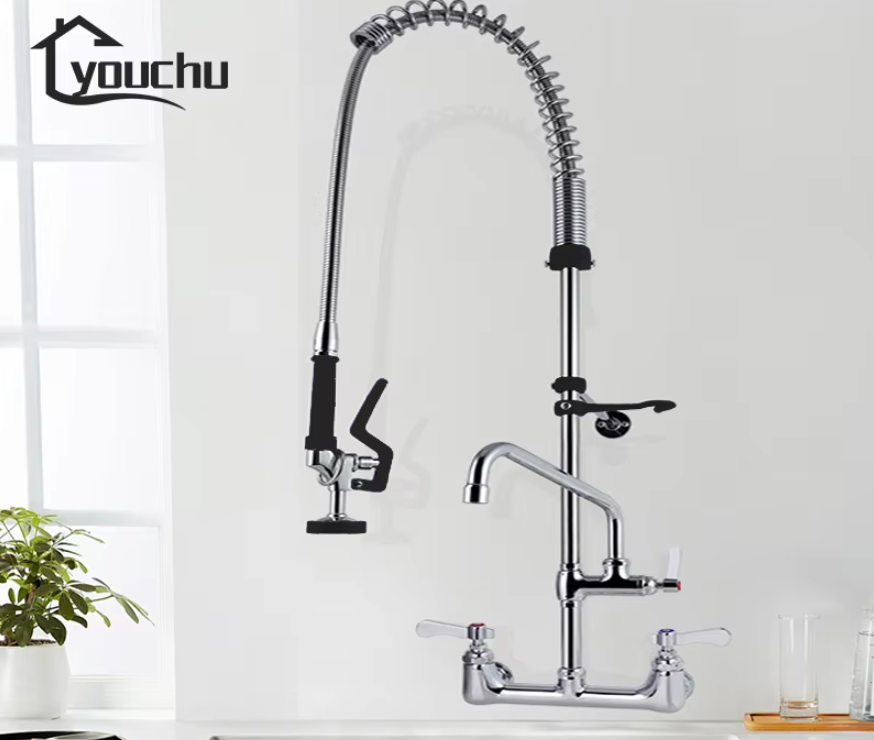
NSF/ANSI 51 and OSHA compliance: How improper pressure leads to failed health inspections
When pressure isn't right, food safety goes out the window. Sprayers that don't have enough power simply cannot break down biofilms, which are responsible for roughly 40-45% of failed health inspections according to recent FDA guidelines. The NSF/ANSI 51 standard actually specifies that proper cleaning requires at minimum 15 gallons per minute at 30 pounds per square inch. Equipment that doesn't meet these specs creates another problem too. When sprayers aren't working correctly, they tend to splash everywhere, making floors dangerously wet and putting staff at risk for slips and falls. This kind of situation often leads to OSHA getting involved. On the flip side, if pressure gets too high beyond about 80 psi, the nozzles themselves start failing. The internal parts get damaged, so instead of a clean stream of water, we end up with drips and mist that might carry bacteria back onto surfaces. Getting pressure just right saves money in the long run though. Restaurants typically pay around $7k each time they get cited for improper equipment, and keeping pressure within range doubles how long sprayers last before needing replacement.
Key Features That Define a High-Performance Commercial Kitchen Sprayer
Selecting the right commercial kitchen sprayer hinges on features engineered for precision pressure control, durability, and regulatory compliance. Critical attributes include:
- Flow Rate Optimization: Units delivering 1.5–2.2 GPM balance cleaning efficacy with water conservation–meeting NSF/ANSI 51’s performance benchmarks without overtaxing supply lines.
- Pressure-Responsive Spray Modes: Switchable stream/spray/pause functions adapt to task demands–high-pressure jets dislodge baked-on debris, while low-flow modes safely rinse delicate produce.
- 360° Swivel Radius: Full rotational movement accommodates double sinks and oversized cookware, eliminating hose kinks that cause disruptive pressure drops during peak service.
- Vibration-Dampened Mounting: Solid brass or stainless steel construction with magnetic docking absorbs hydraulic shock, stabilizing pressure and preventing leaks.
- Thermal-Shock Resistance: Materials rated for rapid temperature shifts maintain dimensional stability, preserving seal integrity and consistent pressure delivery across hot-rinse and cold-wash cycles.
Together, these features sustain reliable performance under heavy use while supporting seamless health code compliance.
Step-by-Step Installation Guide for Reliable Pressure Performance
Pre-installation assessment: Measuring static/dynamic PSI and verifying supply line capacity
Start with checking static pressure when everything is still versus dynamic pressure measurements taken while water flows through the system. These tests should happen during busy kitchen hours if possible. If there's a difference greater than 15% between those numbers, it usually means something's wrong with the plumbing infrastructure. The Food Service Engineering Journal found this kind of pressure drop can actually speed up equipment wear by around 32%. Then look at what size pipes are running throughout the building. Figure out how much water needs to flow versus what the current pipes can handle based on their diameter, length, and how old they are. Most kitchens use half inch supply lines, but these just don't cut it for spray stations needing over 4 gallons per minute. Don't forget to check visually for rust spots or mineral deposits inside the pipes either. When internal buildup reduces pipe space by 20% or more, water starts flowing unevenly which messes with pressure stability across the whole system. Make sure to write down all observations before making any decisions about new equipment or where to run additional lines.
Mounting, supply connection, and vibration-dampening techniques to prevent pressure fluctuation
Mount sprayers securely to wall studs or reinforced backing plates using stainless steel brackets–avoid sink-mounted configurations, which transmit vibration and amplify pressure instability. For supply connections, specify braided polymer hoses with swivel fittings instead of rigid piping to absorb hydraulic shock. Integrate three proven vibration-dampening strategies:
- Neoprene gaskets between mounting hardware and surfaces
- Loop-style hose routing to dissipate energy
-
Isolation valves that decouple the sprayer from main supply lines
Torque all connections to manufacturer specifications using a calibrated wrench–under-tightening accounts for 74% of leaks in high-vibration commercial environments.
Post-installation validation: Calibrating with digital pressure gauges and flow meters
Start pressure testing in stages, beginning around half capacity and gradually working up to 110% of what the system should handle normally. Keep an eye on those digital pressure gauges during this process. If readings fluctuate more than 5 psi either way over a 15 minute period, something's probably wrong somewhere in the system. Common issues we see? Air trapped in lines, pipes that aren't big enough for the job, or maybe some sort of blockage restricting flow. Check how evenly water sprays out across different pressure settings from about 20 psi all the way up to 80 psi. Make sure everything matches up with those NSF/ANSI 51 standards most professionals rely on. When dealing with smaller systems that put out under 2.5 gallons per minute, don't forget to look inside aerators and check valves for buildup of dirt or other stuff that gets stuck there over time. Write down every number and observation during these tests. Having good records helps track performance changes between maintenance checks and catch problems before they become serious headaches down the road.