 EN
EN


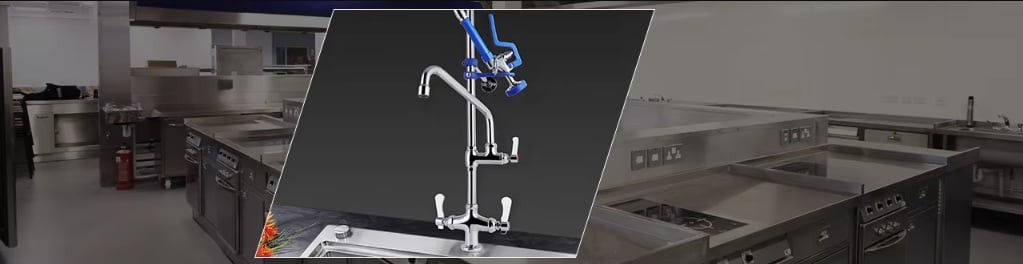
Why choose a spray faucet with adjustable pressure for commercial use?
One Pressure Doesn’t Fit All Kitchen Tasks
Walk through any commercial kitchen and count the different tasks that involve water. Filling stockpots. Rinsing produce. Pre-washing baked-on pans. Cleaning down prep tables. Washing delicate seafood. Each task demands a different water pressure. A single fixed-pressure spray faucet forces compromises on every one of them.
Adjustable pressure solves this fundamental mismatch. The ability to dial in the right force for each task transforms a spray faucet from a one-dimensional tool into a versatile workstation component. High pressure for heavy soil removal. Moderate pressure for general rinsing. Low pressure for delicate items or for tasks that require precision rather than force.
A seafood processing facility in the Pacific Northwest documented their switch from fixed to adjustable pressure sprayers. Their previous setup used high-pressure sprayers for everything—which worked fine for cleaning cutting boards but damaged delicate fish fillets during rinsing. After installing adjustable units, product damage during rinsing dropped by 84 percent within the first month. The same sprayers that handled tough cleanup tasks in the evening were gentle enough for delicate product in the morning.
Pressure Adjustment Prevents Over-Spray and Waste
There’s a direct relationship between spray pressure and water consumption. Higher pressure doesn’t just use more water per minute—it also creates more overspray and splashing, which means more of that water never reaches the intended surface. Adjustable pressure allows operators to match the spray to the task, minimizing waste.
A standard commercial pre-rinse sprayer flows at about 1.8 to 2.2 GPM at full pressure. At reduced pressure for lighter tasks, flow can drop significantly without sacrificing cleaning effectiveness. The water savings across a full shift add up quickly.
| Pressure Setting | Best Use | Typical Flow |
|---|---|---|
| High (full) | Baked-on food, heavy grease | 1.8–2.2 GPM |
| Medium | General rinsing, sheet pans | 1.2–1.5 GPM |
| Low | Produce, seafood, delicate items | 0.8–1.0 GPM |
One university dining hall with four dish stations measured water usage before and after switching to adjustable pressure sprayers. Total water consumption at the dish stations dropped by 22 percent over six months. The kitchen maintained the same cleaning standards while reducing their water bill and environmental footprint.
Staff Fatigue Decreases with Better Control
Here’s something that doesn’t show up on spec sheets but matters enormously in daily operations: operator fatigue. Holding a sprayer that delivers more pressure than needed for a given task requires more grip strength and causes more hand and wrist strain over time. Adjustable pressure lets staff use only the force they actually need.
In high-volume kitchens, dish station staff can spend two to three hours per shift actively using a sprayer. That’s thousands of trigger pulls. If every pull delivers maximum pressure—even when only light rinsing is needed—the cumulative strain is significant. Adjustable pressure reduces unnecessary exertion.
A hospital kitchen in the Midwest tracked staff complaints about hand and wrist discomfort before and after installing adjustable pressure sprayers. Complaints dropped by 67 percent within three months. Staff retention at the dish station improved, and the kitchen attributed part of that improvement directly to the reduced physical strain from better-controlled spray pressure.
Ceramic Valves Maintain Consistent Adjustment Over Time
Adjustable pressure only works if the mechanism stays reliable. Cheap pressure-adjustment systems use rubber seals and springs that wear out, leading to pressure drift or complete failure. Quality systems use ceramic cartridges that maintain their calibration through hundreds of thousands of cycles.
The ceramic discs inside these cartridges are hard, smooth, and resistant to wear from waterborne debris. They don’t degrade like rubber. They don’t corrode like metal components can. A ceramic-based pressure control system holds its setting consistently, shift after shift, month after month.
One restaurant equipment supplier tested pressure-adjustment durability across multiple brands. Models with ceramic cartridges maintained consistent pressure output within 5 percent of the original setting after 200,000 cycles. Models with rubber-based adjustment systems showed pressure drift of 15 to 25 percent over the same test period. The difference translates directly to real-world reliability.
The Right Pressure Improves Sanitation Outcomes
Sanitation isn’t just about the sanitizer—it’s about preparing surfaces for the sanitizer to work. Visible soil must be removed before sanitization can be effective. If the spray pressure isn’t strong enough to remove all visible debris, the sanitizer can’t reach the surface underneath.
But pressure that’s too high can cause its own problems. High-pressure spray can aerosolize contaminated water, spreading bacteria rather than removing it. It can also damage surfaces or drive debris deeper into cracks and crevices. Adjustable pressure lets operators use enough force to clean thoroughly without creating secondary contamination risks.
A commercial kitchen consultant who works with chain restaurants across the Southeast documented sanitation inspection scores before and after adjustable pressure sprayer installations. Kitchens using adjustable units scored an average of 8 points higher on their health inspections. The consultant attributed the improvement to more effective soil removal during the pre-wash stage—staff could adjust pressure to match the soil level of each item rather than using a one-size-fits-all approach.
Training and Consistency Improve with Adjustable Controls
Standardized training becomes easier when equipment offers clear, repeatable settings. Adjustable pressure sprayers with marked or detent settings allow kitchen managers to specify exact pressure levels for different tasks. New staff can learn the settings quickly, and experienced staff can maintain consistency across shifts.
Without adjustable pressure, training is vague—"use more pressure for pots, less for produce." With adjustable controls, training becomes specific—"setting 3 for pots, setting 1 for produce." The difference in consistency is measurable.
A 50-store quick-service chain standardized on adjustable pressure sprayers across all locations. Their training department developed a simple reference chart showing recommended pressure settings for each station and task type. Within six months, cross-location variation in water usage narrowed by 40 percent, and the chain reported fewer cleaning-related complaints from store managers.
Adjustable pressure isn’t a luxury feature for commercial spray faucets. It’s a practical control that affects water usage, staff comfort, cleaning effectiveness, and sanitation compliance. Manufacturers like Jmyouchu build adjustable pressure systems around durable ceramic cartridges because they understand that commercial kitchens need controls that work reliably, shift after shift, without drifting or failing.