 EN
EN


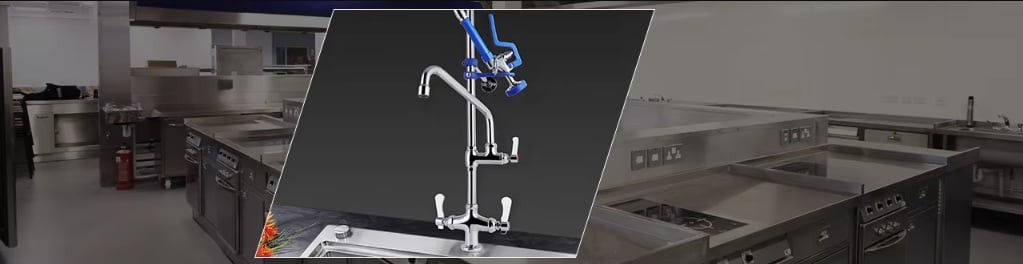
Effective food debris removal with a strong pre rinse.
A healthy home starts with a clean kitchen, which begins with properly cleaning food debris. It is crucial to understand how a food pre rinse works, as many will jump straight to washing with soap or just using a garbage disposal. Effectively pre rinsing food debris will save both time, energy, and soap over the life of the cleaning routine. Taking the cleaning routine to the next level in efficiency will save headaches over time from disposal and sanitation issues. The focus of this article is to understand the benefits of pre rinsing and how to properly incorporate this routine step to daily debris cleaning.
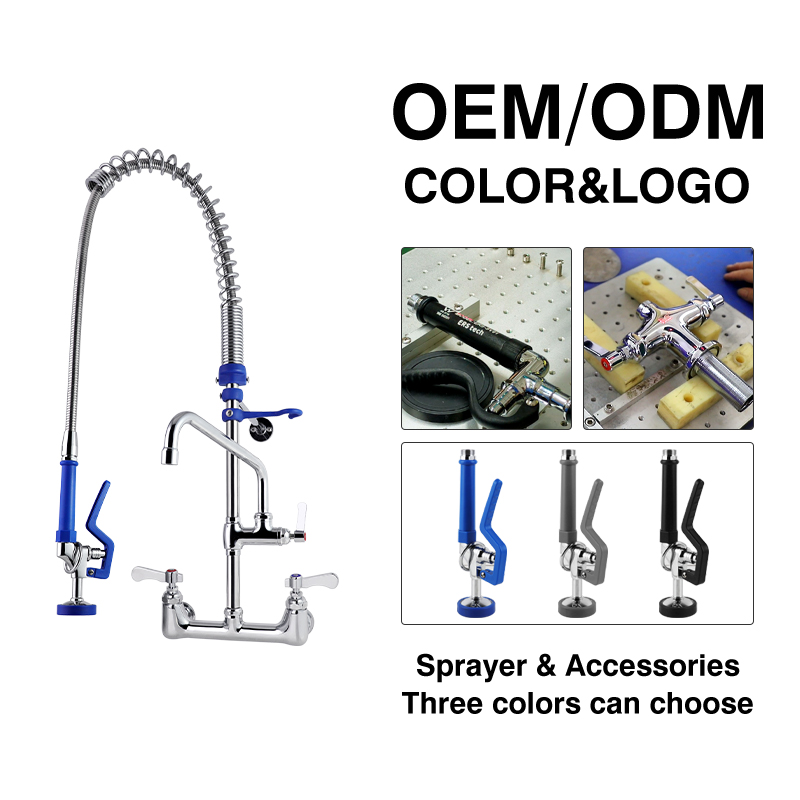
The Value of a True Pre Rinse
Moisture concentration is a critical aspect of the deconstruction phase because it provides the cohesion necessary for the removal of contaminants. Missing this dimension leads to ineffective cleaning. Pre rinsing is the first step in the rinsing process, where food particle contaminants and debris in the sink or on the countertop are manually removed before washing. By mechanically removing loose food particles, the problem of removal interference is avoided. Think about what happens when you try to wash a plate covered in gravy or sauce without rinsing it first. The soap has to work through that layer of food before it can even reach the surface of the plate, which often leads to using more product and more scrubbing. A strong pre rinse solves this problem by clearing away the initial layer of grime.
Looking at the sanitation side, a pre rinse is your first line of defense against harmful bacteria. Food debris left behind on your surfaces will harbor pathogens and cross-contamination will occur. Food safety guidelines consider the removal of visible debris to be the first and most important step before any sanitizing can occur. You can’t sanitize a dirty surface. The pre rinse starts the process of breaking down and washing out the places bacteria thrive.
Moreover, a good pre rinse is good for your plumbing and garbage disposal. Putting large amounts of food debris straight into your disposal can be the root of future plumbing problems like disposal jams, clogs, and odors. If you rinse the bulk of the scraps off beforehand, you let the disposal do its work on smaller and more manageable particles. This cuts down on the risk of blockages and helps your disposal last a long time. It’s an easy habit that helps your kitchen run more smoothly.
Steps for an Effective Pre Rinse and Cleaning Routine
Having a pre rinse and cleaning routine is important, but it is equally important to have a system and a process for cleaning items before a deep cleaning cycle, and easy items to clean in the kitchen. The good news is that creating a cleaning routine does not need to be complicated. Start with a few steps to clean your kitchen.
This process starts with the large food particles, which we all know and love coming off a wrapped burrito. Large food particles should be physically removed first, as this process helps the cleaning cycle and helps the deep cleaning process be more time efficient. Let is be clear, these should be put into a trash or compost bin, not rinsed down the drain. Then pre rinse the items. The items should be rinfed under the pre rinse clean water. This is more cold than warm for heavy starchy food items, as cold water helps to not make the food into a sticky, sulfide. The rinse should focus on all areas of the food to make sure it's undermined, bounded, or contained.As soon as most of the debris has been rinsed away, you can move on to the washing step. Take a sponge, brush, or cloth, and apply some detergent to it. The scrubbing motion is very important as it helps get any stuck on food and biofilms disengaged. Be sure to focus on the crevices and textured spots as food likes to hide there. When you are done scrubbing, make sure to give everything a final rinse with clean water. This step is important in washing away the soap as well as the dirt and grease the soap has lifted. If soap is left on, it can make your food taste bad and make any sanitizing step you do afterwards not as effective.
Finally, let your items air dry completely or dry with a clean towel. If you have a clean, dedicated rack, air drying is often the more hygienic option. Doing the scrape, pre rinsing, washing with scrubbing, rinsing again, and drying steps in the order provided here is the best way to make sure your items are not just visually clean but that your kitchenware is also sanitary.
How to Get the Most Use Out of Your Garbage Disposal
A garbage disposal is an amazing appliance to have in any kitchen, but it is not a fix-all for food waste. One of the most helpful habits to keep a disposal unit healthy and efficient is to get into the habit of pre-rinsing dishes after a meal. This is a great way to keep a lot of food debris from going into the disposal and is in a way, a preventative measure.
Though the pre-rinse does help, some food debris will, of course, end up in the disposal unit. To keep it from going stale and smelling, a few maintenance habits will go a long way. It is important to keep running a stream of cold water while using the disposal, and for 15–30 seconds after. This helps keep any grease and oil formed with food solids from coating the pipes. To keep clogs from happening, this is the way to go.
Removing odors and achieving a more thorough clean is possible with natural cleaning once a week. To remove congealed grime and sharpen the blades, grind ice cubes. To remove the leftover grease and smell, pour a cup of baking soda and a cup of white vinegar down the drain, and let the mixture sit and fizz for 30 minutes. Following the sit time, flush the drain with cold water. If you want a more pleasant smell, grind up a piece of citrus peel, such as a lemon or orange, in the disposal.
Knowing what not to put in a garbage disposal is just as important as knowing what to dispose of. Steer clear of fibrous vegetables (especially celery and onion skins), starchy foods (like potatoes and pasta), bones, large scraps, grease and cooking oils. If you are mindful of what you put in the disposal and establish a habit of pre-rinsing, the machine will work perfectly for many years.
How Pre Rinse Ties in with Overall Kitchen Sanitation
The concept of a strong pre rinse is part of a broader, more integrated model of kitchen sanitation. This model is based on professional cleaning/sanitizing workflows in food production and farming. For example, on farms, all harvesting tools and containers are cleaned and sanitized each season. This cleaning and sanitizing process always starts with a pre rinse, where soil and debris are physically removed, and then no detergents are used. This step is foundational and non-negotiable in professional settings because of its effectiveness.
The reasoning is quite simple: a surface without soil and debris is necessary to make sanitization effective. It is widely accepted that sanitizing is the process of treating a clean surface in order to reduce microorganisms to a safe level, and this cannot happen without the prior cleaning step, which incorporates pre rinsing, washing, and rinsing. It must always be a clean surface first. Dirt, food, or soap residue on a surface can interact with and deactivate the sanitizer, rendering the entire process ineffective, and that is why the pre rinse is so necessary.
Implementing this perspective in your domestic kitchen increases food safety protocol even further. It is simply a matter of creating a sequence of actions that will collectively provide a clean space for food preparation. By initiating a strong pre rinse step, you are not only washing off food debris for easier washing, you are also effectively mitigating a source of bacteria, further preparing your kitchen for a full and thoroughly clean and safe deep clean. As a small investment of time and water, this rinsing step will provide great returns in cleanliness, prolonging the life of your appliances, and peace of mind.